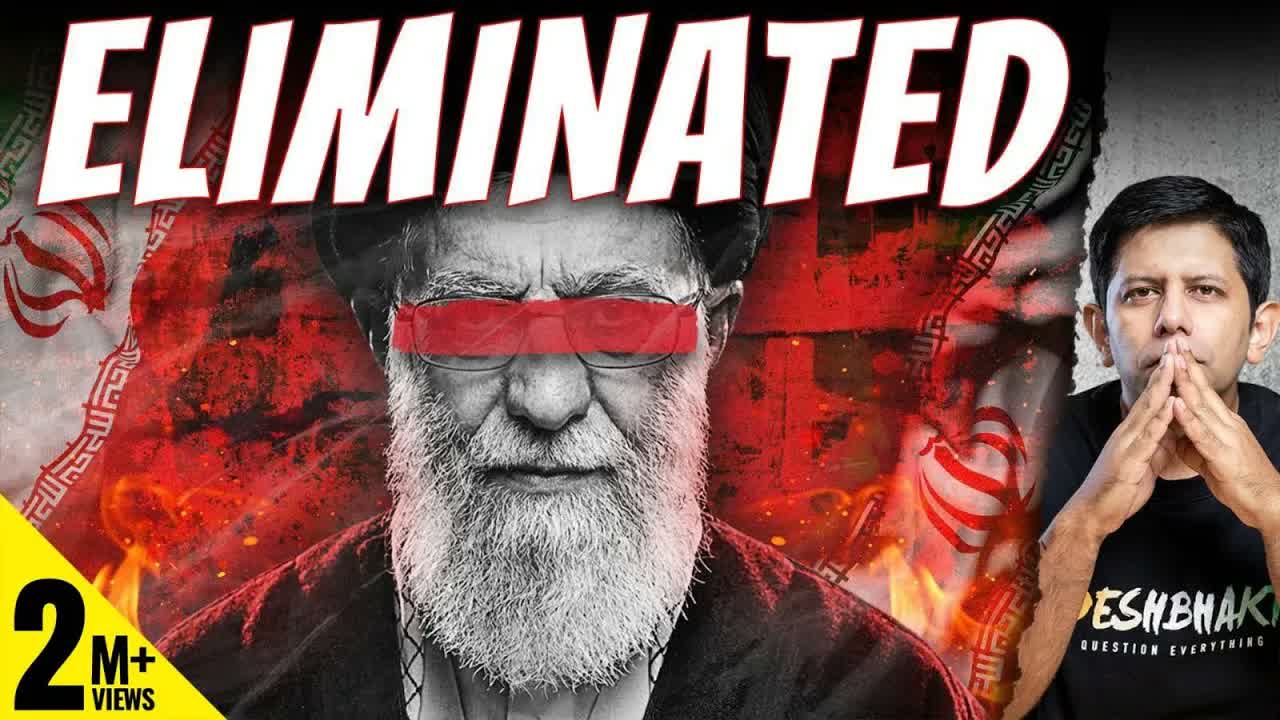
Operation Epic Fury: Analyzing the US-Israel Strikes on Iran
On February 28, 2026, the United States and Israel launched a coordinated military operation against Iran, marking a significant escalation in Middle Eastern tensions. Dubbed “Operation Epic Fury” by the Pentagon, the strikes began with Israeli attacks at 8:10 AM local Tehran time, followed by US launches from bases and aircraft carriers across the region.
The Initial Strikes and Targets
The first wave of attacks targeted four key locations in Tehran: the Ministry of Intelligence, Ministry of Defence, Atomic Energy Organization, and the Parchin Military Complex. Reports emerged of a missile striking a school, with devastating casualties among schoolgirls. Simultaneously, attempts were made to attack the residence of Supreme Leader Ayatollah Khamenei and the Presidential Palace compound. Israeli officials confirmed that both targets were engaged in the surprise assault designed to maximize the element of surprise before defensive measures could be implemented.
Iranian state media reported that the President was safe, while Khamenei’s compound roads had been sealed, suggesting he may have been moved to a secure location. The internet blackout in Iran, with connectivity dropping to just 4%, made independent verification of damage and casualties extremely difficult.
Iran’s Swift and Coordinated Response
Contrary to expectations of a measured response, Iran launched “Operation True Promise Four” with minimal delay. Within hours, multiple waves of ballistic missiles and drones targeted US military installations across five Gulf countries:
- Bahrain: The US Navy’s Fifth Fleet headquarters sustained a confirmed direct hit, prompting a state of emergency
- United Arab Emirates: Al Dhafra Airbase in Abu Dhabi was struck, resulting in at least one civilian fatality from shrapnel
- Qatar: Al Udeid Air Base, housing major US assets, was attacked though missiles were reportedly intercepted
- Kuwait: Al Salem Air Base faced strikes with explosions and sirens reported
- Jordan: Attempted attacks were allegedly shot down by Patriot missile systems
- Saudi Arabia: Explosions were reported in Riyadh
The Houthis in Yemen also joined the conflict, expanding the regional war. The comprehensive nature of Iran’s response demonstrated significant military preparedness.
Broader Regional and Economic Impact
The conflict immediately transformed the region’s airspace into a logistical void. The entire airspace of Iran, Israel, Iraq, Qatar, Kuwait, and UAE became inactive, with more than a dozen flights suspended. Dubai International Airport, the world’s busiest, was closed indefinitely, disrupting global air traffic between Europe and Asia.
Maritime trade through the Persian Gulf and Red Sea began collapsing as shipping companies avoided the conflict zone. The Strait of Hormuz, through which 20% of global oil and LNG passes, faced threats from Iranian naval mines. Oil prices surged 20%, with Brent crude reaching $80 per barrel, and analysts warned of potential spikes to $120 if the strait were completely blocked.
Historical Context and Motives
This marked the second US military strike on Iran within a year, following Operation Midnight Hammer in June 2025, which had targeted nuclear facilities. However, that operation had achieved only partial damage, as Iran had already moved its enriched uranium from targeted sites.
The stated objectives of Operation Epic Fury included:
- Destroying Iran’s advanced missile systems
- Neutralizing Iran’s navy to ensure shipping route security
- Eradicating Iranian proxies including Hamas, Hezbollah, and Houthis
- Preventing Iran from obtaining nuclear weapons
Beyond these military goals, evidence suggests regime change in Iran remained the ultimate objective. President Trump explicitly called on Iranians to overthrow their government and offered immunity to Revolutionary Guards who surrendered.
Constitutional and International Concerns
The attack raised significant constitutional questions in the United States. No imminent threat from Iran had been identified by intelligence agencies. The Defense Intelligence Agency concluded in 2025 that Iran was not developing ICBMs capable of threatening the US and was not close to nuclear weaponization. Moreover, Congress was not consulted on the decision, despite the Constitution granting Congress the power to declare war—a clear bypass of established procedures.
Drawing parallels to the 2003 Iraq invasion, critics noted that while Bush had manipulated intelligence regarding weapons of mass destruction, Trump was openly proceeding despite explicit intelligence statements that no such evidence existed. Unlike the “Coalition of the Willing” assembled for Iraq, this operation enjoyed support primarily from Israel alone—even traditional ally UK had refused basing access.
Internal US Divisions and Political Calculus
Significant fissures appeared within the Trump administration. While Trump emphasized regime change, officials like Vance and Hegseth publicly stated the operation was limited to Iran’s nuclear program. The apparent contradiction raised questions about operational coherence.
Analysts identified several potential motives for Trump’s shift from his “no new wars” stance. The Epstein files controversy presented a potential distraction need, echoing the plot of the film “Wag the Dog.” Simultaneously, Trump faced domestic setbacks with Supreme Court rulings against his tariff policies, potentially motivating a foreign policy demonstration of strength. For Netanyahu, facing corruption investigations and electoral pressures in Israel, the conflict diverted attention from domestic troubles.
Questions for the Coming Weeks
As the Pentagon indicated this would be a multi-day or multi-week operation rather than a short campaign, several critical questions emerged:
- Is Iran’s command structure intact, and is Supreme Leader Khamenei able to lead effectively?
- Has America succeeded in degrading Iran’s missile capabilities, or does Iran retain its arsenal of over 2,000 ballistic missiles?
- How extensively will the Strait of Hormuz be disrupted, and what will be the global economic impact?
- What escalation capacity do Hezbollah and the Houthis retain following previous Israeli operations?
- Will ordinary Iranians rise up against the regime, or will survival concerns suppress protests?
- Will additional regional actors—UAE, Qatar, Saudi Arabia, France—join the conflict as suggested?
The historical record suggests that bombing campaigns alone have never successfully toppled a government. Should Trump pursue ground invasion, this could indeed become, as some analysts warn, the biggest mistake of his career.